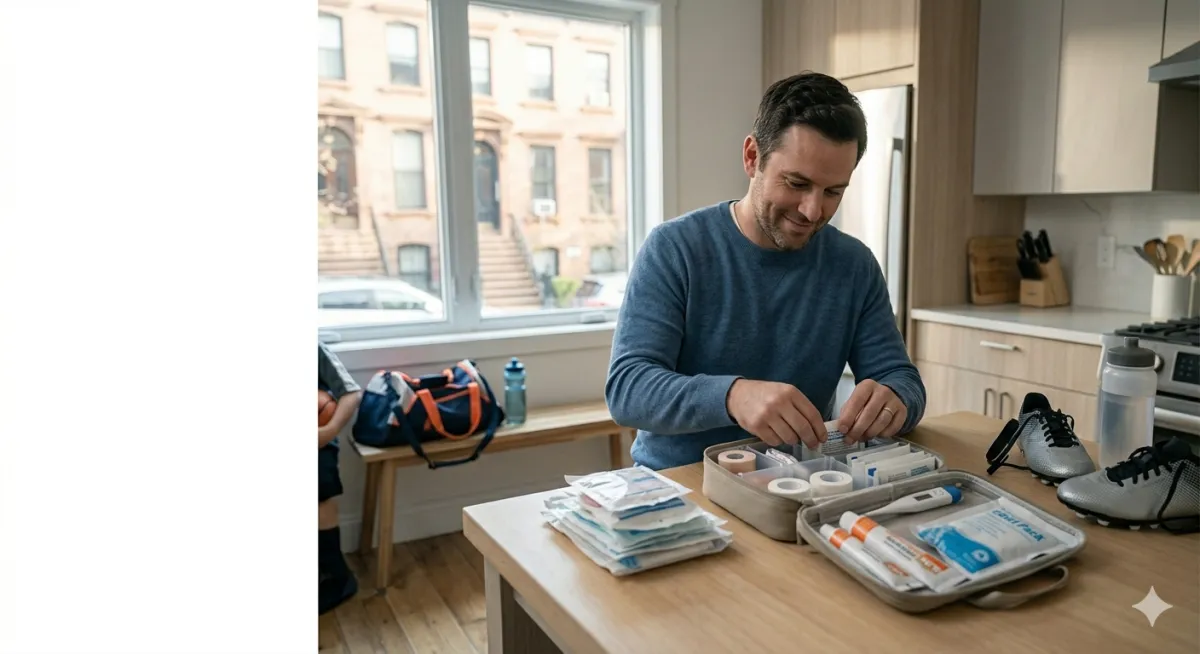
Beyond the Band-Aid: Build a Better Home First Aid Kit | Crescent Pharmacy
If I have kids in sports, a normal week can turn into a first-aid test without warning.
One minute, it is soccer practice, baseball warmups, or a school playground scrape. The next minute, I am looking for gauze, trying to remember where the thermometer is, or realizing the burn gel expired months ago. That is exactly why a real home first aid kit matters. The American Red Cross says every household should keep a stocked first aid kit and recommends basics like adhesive bandages, gauze, adhesive tape, antibiotic ointment, instant cold packs, gloves, and a thermometer.
For families in Valley Stream, this is not about preparing for dramatic emergencies. It is about being ready for the small, common things that happen all season long: cuts, bruises, fevers, minor burns, swelling, and sports-related scrapes. Crescent Pharmacy is well-positioned for exactly that kind of practical support. Its website says it offers OTC products, vaccinations, free blood pressure monitoring, free blood sugar counselling, prescription transfer, and free statewide delivery, all from 48 Central Ct, Valley Stream, NY 11580.
Why are most home first aid kits not actually ready?
A lot of people technically “have” a first aid kit.
But when I look inside most home kits, they are not really built for real use. Usually, they are missing one or more of the things that matter most:
enough bandages in different sizes
gauze that is still sealed and usable
a working thermometer
an instant cold pack
child-safe fever medicine
a plan for minor burns
backup supplies after the first injury empties half the box
That is why I like the phrase high-performance home first aid kit. I do not mean fancy. I mean a kit that is actually ready to support a busy family during youth sports season. The Red Cross notes that a proper first aid kit should include essentials for cuts, burns, sprains, and minor wounds, not just a few leftover bandages.
The “sports season” problem: injuries never happen when it is convenient
The real reason parents need better first aid supplies is timing.
Minor injuries rarely happen when I have time to go shopping. They happen:
before dinner
during a game
after the pharmacy closes
when the medicine cabinet is already low
when my child is crying and wants help now
That is why a home kit should be built for readiness, not theory.
And this is where Crescent Pharmacy becomes especially relevant. The website already positions the pharmacy around practical, local support and easy access to everyday health essentials through its OTC category and free statewide delivery.
What should every high-performance home medical kit include?
If I were building a real home medical kit from scratch, I would start with the categories that cover the most common family situations.
1. Wound basics
According to the Red Cross, a home first aid kit should include:
adhesive bandages in assorted sizes
sterile gauze pads
adhesive tape
absorbent compress dressings
antibiotic ointment
antiseptic wipes or similar cleaning supplies
For parents, this is the non-negotiable core. Scraped knees, turf burns, finger cuts, and blisters are not rare during sports season. If I have to improvise with tissues and old tape, my kit is not ready.
2. Fever and illness essentials
A good home kit should also help me respond when the problem is not an injury but a sudden fever or minor illness. The Red Cross specifically highlights the importance of a thermometer in a home first aid kit. It also warns not to use rubbing alcohol to cool a child and says never to give aspirin to a child with a fever or viral symptoms because of the risk of Reye’s syndrome.
For me, that means a sports-season-ready kit should always include:
a reliable thermometer
age-appropriate fever reducer based on my pediatrician’s guidance
oral rehydration basics if my household uses them
clear dosing information kept with the kit
3. Burn care basics
Minor burns happen more often than many parents expect, from kitchen splatter, curling irons, hot trays, or even sports field accidents involving heat and friction. HealthyChildren.org, from the American Academy of Pediatrics, advises cooling a minor burn under cool running water for about five minutes, not using ice, not rubbing the burn, and covering it with a clean, non-stick bandage.
That means my kit should include:
non-stick dressings
clean gauze
paper tape or another gentle securing option
a burn-care plan I actually remember
The key is not to over-treat. The key is to have the right basics ready fast.
4. Sprain, bruise, and swelling support
Youth sports season means bumps, twists, and swelling are part of real life. That is why I would always keep:
instant cold packs
elastic wrap or compression bandage if appropriate
soft support bandaging materials
a simple way to elevate and rest the area
The Red Cross includes instant cold packs and elastic-style support materials among common first aid essentials, and those are exactly the supplies that disappear first during sports months.
Why is one box not enough for active families?
One of the most practical mistakes I see is assuming the family only needs one first aid kit.
If I have active kids, I usually need:
one main kit at home
a lighter grab-and-go version in the car or sports bag
backup stock in a cabinet for refilling the main kit
The Red Cross itself sells and recommends different styles of first aid kits for home, car, and on-the-go use, which reflects the reality that needs change depending on the setting.
That is why I think of a first aid supplies 11580 search as more than “buy a box.” It is really about building a layered setup that works for my family’s routines.
What parents should stop doing with minor injuries?
Having the right kit also helps me avoid common mistakes.
For burns, the AAP says:
do not use ice
do not rub the burn
do not break blisters (healthychildren.org)
For fever in children, the Red Cross says:
do not use rubbing alcohol to cool the child
do not give aspirin to a child with a fever or viral symptoms
For cuts and scrapes, basic first-aid guidance emphasizes cleaning gently, covering properly, and using supplies that protect the area rather than leaving it exposed too soon.
A good home kit makes it easier to do the right thing because I am not improvising under stress.
Why is Crescent Pharmacy a smart local place to build this kit?
Even though Crescent Pharmacy’s homepage emphasizes prescriptions, counselling, vaccinations, and delivery, the site also clearly lists OTC as a major service. That matters because building a high-performance first aid kit is largely an OTC problem: bandages, gauze, tape, thermometers, wraps, cold packs, and common home-care basics.
And for families in 11580, convenience matters. If I realize my kit is missing supplies or I need to refresh it before the next sports weekend, I do not want a complicated process. Crescent Pharmacy also highlights free delivery statewide, which lowers the barrier even more for busy parents.
Go to the pharmacy’s Blogs since the site already uses educational local-health content as part of its brand.
A simple way I would organize the kit at home
If I wanted a kit that actually works under pressure, I would separate it into sections:
Quick grab section
assorted adhesive bandages
antiseptic wipes
gauze pads
tape
gloves
Fever and illness section
thermometer
child-safe fever medicine based on my doctor’s guidance
dosing syringe or cup
written dosing notes
Sports section
instant cold pack
elastic wrap
blister care basics
extra gauze and tape
Burn section
non-stick dressings
clean gauze
gentle tape
written reminder: cool water, no ice
That kind of organization matters because a first aid kit is only useful if I can find what I need fast.
Why does this matter more during youth sports season?
During sports season, the frequency of minor injuries goes up.
That means parents need more than a decorative first aid pouch. They need something that can handle repeated use and be restocked easily. Adhesive bandages, gauze, wipes, cold packs, and wraps disappear quickly when games and practices become weekly routines. That is why I like the phrase Beyond the Band-Aid for this article. A real home medical kit should support:
scrapes
bruises
sprains
swelling
fevers
minor burns
weekend chaos
Not just one paper-thin bandage and an expired ointment packet.
Final thoughts
A high-performance home first aid kit is not about panic. It is about friction reduction.
It helps me respond faster, more calmly, and with fewer mistakes when a child comes home scraped up from practice, spikes a fever before bed, or gets a minor burn in the middle of dinner prep. The Red Cross and AAP both make it clear that the right supplies and the right basic response steps matter for common family injuries.
And for families looking for First aid supplies 11580, a stronger home medical kit, or useful educational content that could fit naturally into the Crescent Pharmacy blog, Crescent Pharmacy’s OTC focus, delivery convenience, and local Valley Stream location make it a practical place to start.
